Good food, good service. The owner treat us like family.
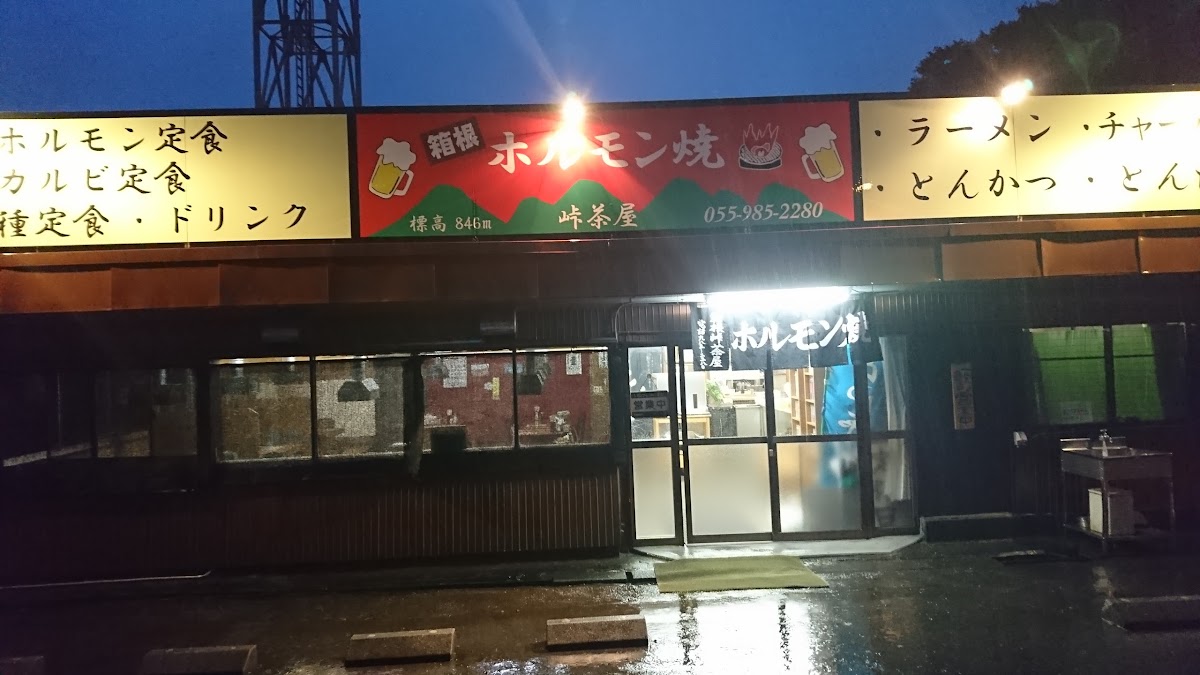
Overview
If you ever find yourself driving through Kannami in Shizuoka Prefecture, make a stop at Toge Chaya at 1364-2 Kuwahara, Kannami, Tagata District, Shizuoka 411-0000, Japan. I’ve visited plenty of countryside diners across Japan, but this one genuinely feels special the moment you step inside. It’s the kind of place where the air smells faintly of grilled fish and simmering broth, and the staff greet you like they’ve known you for years.
On my first visit, I ordered their seasonal set from the menu, which featured locally sourced vegetables, miso soup, grilled mackerel, and freshly steamed rice. What stood out immediately was the balance. The rice had that perfect glossy texture you’d expect from Shizuoka-grown grains, while the miso soup carried a deep umami flavor without being too salty. According to Japan’s Ministry of Agriculture, Forestry and Fisheries, washoku-traditional Japanese cuisine-is built on seasonal ingredients and nutritional balance. You can taste that philosophy in every dish here.
The menu at Toge Chaya isn’t flashy. Instead, it focuses on traditional Japanese set meals, soba noodles, and comforting teishoku combinations. One of the staff members explained that many ingredients come from nearby farms in the Tagata District. That commitment to freshness reflects what many chefs describe as a farm-to-table philosophy, even if they don’t label it that way. In fact, research from the Japan Food Research Laboratories highlights that locally sourced produce often retains more nutrients due to shorter transportation times. Whether or not you care about the science, you’ll notice the difference in flavor.
I’ve brought friends here on two separate occasions, and each time the experience felt consistent. That consistency matters. In restaurant reviews, repeat performance is often the true test of quality. On one visit, we tried their handmade soba. The noodles had a firm bite and a subtle buckwheat aroma. Proper soba preparation is actually quite technical-temperature control, kneading method, and resting time all affect texture. Watching the kitchen staff work through the open counter gave me confidence that they take these details seriously.
Another highlight is the view. The diner sits in a peaceful location surrounded by greenery, making it a popular stop for cyclists and road-trippers. Shizuoka is known for its natural beauty, and enjoying a warm meal while looking out at the hills adds something you can’t replicate in a city restaurant. The setting enhances the overall dining experience, which psychologists often link to perceived taste and satisfaction. The atmosphere here feels calm, almost restorative.
Customer reviews consistently mention the generous portions and fair pricing. Compared to urban restaurants in nearby Mishima or Numazu, the value here feels honest. During my last visit, I noticed a group of older locals chatting over tea. That’s usually a sign of trust. When residents return regularly, you know the establishment has earned its place in the community.
Food safety and hygiene also appear to be well managed. The open kitchen layout allows you to observe food handling practices, and everything-from the chopsticks to the condiments-was spotless. Japan maintains some of the strictest food safety standards in the world, guided by the Ministry of Health, Labour and Welfare. While I can’t audit their processes personally, what I saw aligns with those national standards.
If you’re exploring Shizuoka’s rural dining scene, Toge Chaya offers something grounded and authentic. It doesn’t try to reinvent Japanese cuisine. Instead, it delivers simple done right-fresh ingredients, careful preparation, and a welcoming environment. While the menu may change slightly with the seasons, that commitment to quality remains steady. For travelers seeking a genuine countryside meal, this spot easily earns its place on the map.
Good to know
Service options
✓ Dine-in ✓ DeliveryPopular for
✓ Lunch ✓ Dinner ✓ Solo diningAccessibility
✓ Wheelchair-accessible car park ✓ Wheelchair-accessible entrance ✓ Wheelchair-accessible seatingOfferings
✓ Alcohol ✓ BeerDining options
✓ Lunch ✓ Dinner ✓ Table serviceAmenities
✓ ToiletAtmosphere
✓ CosyCrowd
✓ GroupsPayments
✓ Credit cards ✓ au PAY ✓ dBarai ✓ PayPay ✓ V-Money ✓ Credit cardsParking
✓ Free parking lot ✓ ParkingPhotos
1 / 4
Location
Reviews
- No ratings yet 321 reviews
Food was tasty, but the rice could be reduced a tad bit (saw another guy scarf down 2 giant bowls of rice so ¯\_(ツ)_/¯) the staff was extremely kind and fun to chat with, and the atmosphere feels very warm and cozy. Overall, I'd give a 4.5, definitely coming again
茶屋と名が付いていますが、焼肉メインの定食屋さんです。連休中日13時頃到着、2組待ちでしたが10分程で着席、焼肉の網焼き、定食、ラーメンなどメニューは多彩です。ホルモン定食、豚汁付きを頂きましたが、美味しいですね、ホルモンは直腸「テッポウ」のみ、タレも美味しいです、豚汁は具沢山、私のは豚肉少なめでしたがコクがあって美味しかったです。最近の焼肉屋さんの網は使い捨てが主流ですが、厚みのある使い込まれた網で頂くお肉は一段美味しいような気がしますね。カルビも美味しそうでしたよ
箱根峠を越えて 静岡側に入った エコパーキングの隣にあるお店です。 カルビ、 ホルモン焼き などができる定食 がお店のおすすめ になっています。 その他 ラーメン チャーハン 定食 類なども メニューにありました。 焼肉類は カルビ ホルモン以外にも 単品メニューがあるようです。 とん汁は 肉以外にも 野菜がたっぷり入っていて サラダ 代わりになると思いました。 焼く定食には、 豆板醤、おろし生にんにく、 七味唐辛子が 薬味として出てきて好みの味にできるところも、 とても良いと思いました。
バイクで箱根に行ってたまたま開いていたので入店しました。開店後直ぐに入店しました。何を食べようか悩んだがカレーを頼み、豚汁推しの雰囲気有ったので頼みました。待っている間お客さんがどんどん入ってきました。自分は初見のためこの店の特徴を知りませんでしたが、ガスコンロで焼肉を焼いて食べている人が多かったです。自分も焼肉にすれば良かった… そんなこんなでカレーが到着、あまり辛くない印象でした。豚汁は味噌が美味しかったです。店にはマンガも置いて有って時間有ればじっくり見たかったです。店員さんは愛想が良くて好感持てました。帰りに外でタバコ吸ってると伊豆スカ方面に覆面パトが向かったと情報教えてくれました。今回は1人で行きましたけど次回は嫁さんと行きたいと思います。 25-04-30
TVなどでも紹介された事のある、知る人ぞ知るホルモンとカルビが美味しいお店です。 ホルモンは薄くて食べやすくご飯との相性も抜群です。ラーメンは昔ながらの懐かしい味わいで疲れてる体に染み渡ります。 店主の人柄も良く。何度も来たくなる満足度の高い焼肉定食屋です。 グルメで有名な芸能人も来た事があるそうです。